
Post-Surgery Physical Therapy
Post-Surgery Physical Therapy in the Chicagoland Area
A Personalized Plan for Moving Forward After Surgery
Recovering from surgery can bring questions about movement, discomfort, and when you can return to your usual activities. ReLive Physical Therapy provides postoperative rehabilitation for patients throughout Chicagoland and Northwest Indiana.
Our physical therapists develop treatment plans around your procedure, current abilities, and surgeon’s instructions. Whether your goal is walking more comfortably, rebuilding strength, or returning to work or recreation, your rehabilitation should provide clear steps toward progress.
Contact our team to arrange care at a convenient location and confirm what is needed before your first appointment.
What Is Post-Surgery Physical Therapy?
Post-surgery physical therapy helps address strength, mobility, and functional limitations following a surgical procedure.
Your rehabilitation may include guided exercises, movement training, hands-on treatment when appropriate, and education about daily activities. The timing and progression depend on your surgery, healing, and medical restrictions.
At ReLive Physical Therapy, your plan connects these recommendations to practical goals—from getting dressed and navigating stairs to returning to more demanding activities.
Surgeries That May Benefit From Rehabilitation
The need for physical therapy varies by procedure and patient. ReLive’s postoperative rehabilitation services support recovery following orthopedic surgeries such as:
Knee, Hip, and Shoulder Replacement
Rehabilitation may focus on restoring appropriate movement, rebuilding strength, and practicing everyday activities while following joint-specific precautions.
ACL and Meniscus Surgery
Treatment follows the requirements of the procedure performed. Your plan may address knee mobility, strength, walking, and gradual activity progression within your surgeon’s restrictions.
Shoulder, Arm, and Elbow Surgery
Rehabilitation can help you work toward reaching, lifting, and other upper-body activities. Movement and strengthening are introduced according to your procedure and healing stage.
Neck and Spine Surgery
Postoperative care may address mobility, strength, and daily function while respecting restrictions on movements such as bending, lifting, or twisting.
If your procedure is not listed, contact our team to discuss your rehabilitation needs and confirm the appropriate provider.
How Physical Therapy Supports Your Recovery
Work Toward Improved Mobility
Rebuild Strength Gradually
Address Discomfort During Activity
Practice Everyday Tasks
Understand Your Home Program
Rebuild Strength Gradually
Guided movement can help address stiffness and restricted range of motion. Your therapist selects exercises that are appropriate for your stage of healing.Surgery and reduced activity can affect muscle strength. Rehabilitation introduces and progresses strengthening when permitted by your treatment protocol.
Resistance for Therapeutic Exercise
Moving through water creates resistance. Your therapist can adjust activities to match your abilities and treatment goals.
Address Discomfort During Activity
Your therapist can assess how symptoms affect movement and discuss appropriate treatment options and activity adjustments. Pain management decisions involving medication remain with your prescribing clinician.
Practice Everyday Tasks
Treatment may include activities such as standing from a chair, walking, using stairs, or reaching, depending on the area treated and your goals.
Understand Your Home Program
Clear instructions help you know what to practice between appointments, how often to perform prescribed exercises, and which precautions to follow.
Recovery varies. Your treatment plan should reflect your progress rather than a promise of a particular outcome or timeline.
Rehabilitation That Respects Your Surgeon’s Instructions
Different procedures can require very different recovery plans—even when they involve the same joint.
Your therapist will review available surgical instructions, including restrictions on movement, lifting, weight bearing, or use of a brace or sling. Share any updated guidance you receive at follow-up appointments.
As healing progresses, your treatment may change. More demanding exercises and activities should be introduced when appropriate for your procedure and abilities.
What Treatment May Include
Your postoperative physical therapy plan may incorporate:
Range-of-motion exercises
Assisted or active movement within the limits established for your recovery.
Progressive strengthening
Exercises selected to address weakness and support your functional goals.
Walking and balance training
Practice with mobility, stairs, or an assistive device when relevant to your procedure.
Hands-on treatment
Manual therapy techniques when appropriate and permitted during healing.
Activity and endurance progression
A gradual increase in appropriate physical activity as your recovery allows.
Not every patient needs every treatment. Your therapist will explain the purpose of recommended activities and adjust them based on your response.
What to Expect at Your First Appointment
- Review Your Procedure and Medical Instructions
- Bring your referral if provided, discharge instructions, rehabilitation protocol, and any restrictions from your surgeon. Tell your therapist about follow-up appointments and concerns since surgery.
- Discuss Your Daily Challenges
- Share which activities are difficult and what you hope to return to doing. Your goals might include managing household tasks, walking farther, returning to work, or participating in a sport.
- Evaluate Your Current Abilities
- Your therapist will assess the movements and functions appropriate for your stage of recovery. The evaluation will account for surgical precautions and your comfort.
- Establish Your Initial Plan
- You will discuss treatment priorities, appointment recommendations, and any home exercises. Ask questions about movements you are unsure of and when to contact your care team.
Planning Ahead for Physical Therapy After Surgery
If you have a procedure scheduled, you can contact ReLive beforehand to discuss appointment availability and what information will be needed.
Planning ahead can help you identify a convenient clinic, organize transportation, and understand scheduling requirements. Your surgeon should determine when postoperative therapy begins.
If you have been advised to complete physical therapy before surgery, ask our team about an evaluation for preoperative rehabilitation..
Frequently Asked Questions About Post-Surgery Physical Therapy
When should I start physical therapy after surgery?
Follow your surgeon’s instructions. Some procedures involve early rehabilitation, while others require a period of protection before certain treatments begin. Contact ReLive with your referral and surgical guidance to coordinate the appropriate start date.
Do I need physical therapy after every surgery?
No. Rehabilitation needs depend on the procedure and your recovery. Your surgeon or treating clinician can recommend whether physical therapy is appropriate.
Is postoperative physical therapy only for older adults?
No. People of different ages may need rehabilitation after orthopedic surgery. Treatment is based on the procedure, individual needs, and activity goals.
How long will rehabilitation take?
There is no single timeline. Recovery depends on the surgery, healing, starting abilities, and the demands of the activities you want to resume. Your therapist can discuss expectations and reassess progress throughout care.
Will physical therapy hurt?
You may experience some discomfort during recovery, but you should tell your therapist about pain during or after treatment. Exercises can be adjusted. Do not assume that pushing through increasing pain will improve your recovery.
Can I do more exercises to recover faster?
Doing more is not always better. Follow your prescribed program and restrictions. Increasing activity too quickly may place unnecessary stress on healing tissues. Ask your therapist before adding exercises or increasing resistance.
What should I bring to my first visit?
Bring identification, insurance information, relevant surgical instructions, a medication list, and any referral. If you use a walker, crutches, brace, or sling, bring or wear it as directed by your medical team.
Will I need exercises at home?
Your therapist may provide a home program tailored to your recovery stage. Follow the specific instructions given rather than substituting exercises from another person’s rehabilitation plan.
When can I return to work, driving, or sports?
These decisions depend on your procedure, abilities, medications, and medical restrictions. Your therapist can help assess relevant function, but follow your surgeon’s guidance about clearance for these activities.
Does insurance cover postoperative physical therapy?
Benefits, visit limits, and authorization requirements vary. Contact ReLive before scheduling to discuss appointment requirements, and confirm coverage and out-of-pocket costs with your insurer.
Title or Question
Describe the item or answer the question so that site visitors who are interested get more information. You can emphasize this text with bullets, italics or bold, and add links.
Find Post-Surgery Physical Therapy in Chicagoland and Northwest Indiana
ReLive Physical Therapy serves patients across the greater Chicago region through a network of local clinics, including locations in Bloomingdale, Elmhurst, and Crown Point.
Whether you need care close to home or a clinic that works with your transportation arrangements, our team can help identify an appropriate location and confirm provider availability.
Explore our location pages for addresses and contact information, or call (630) 339-3849 to discuss postoperative rehabilitation.
Services Offered

Aquatic Physical Therapy
Patients love our aquatic therapy! It is easier on your joints and muscles as you get moving again. Aquatic therapy is fun and effective! Learn more here

Auto Accident Physical Therapy
Have you been in a car, truck or motorcycle accident? Whiplash, back pain, headaches - ReLive treats it all! Call us today.

Balance & Fall Prevention
It can be difficult to keep our balance and falls become more common as we age. Check out ReLive's Balance & Fall Prevention program to reduce those risks.

Certified Hand Therapy
Hand injuries can be a difficult area to achieve 100% recovery. However, our hand therapists are known for spectacular results.
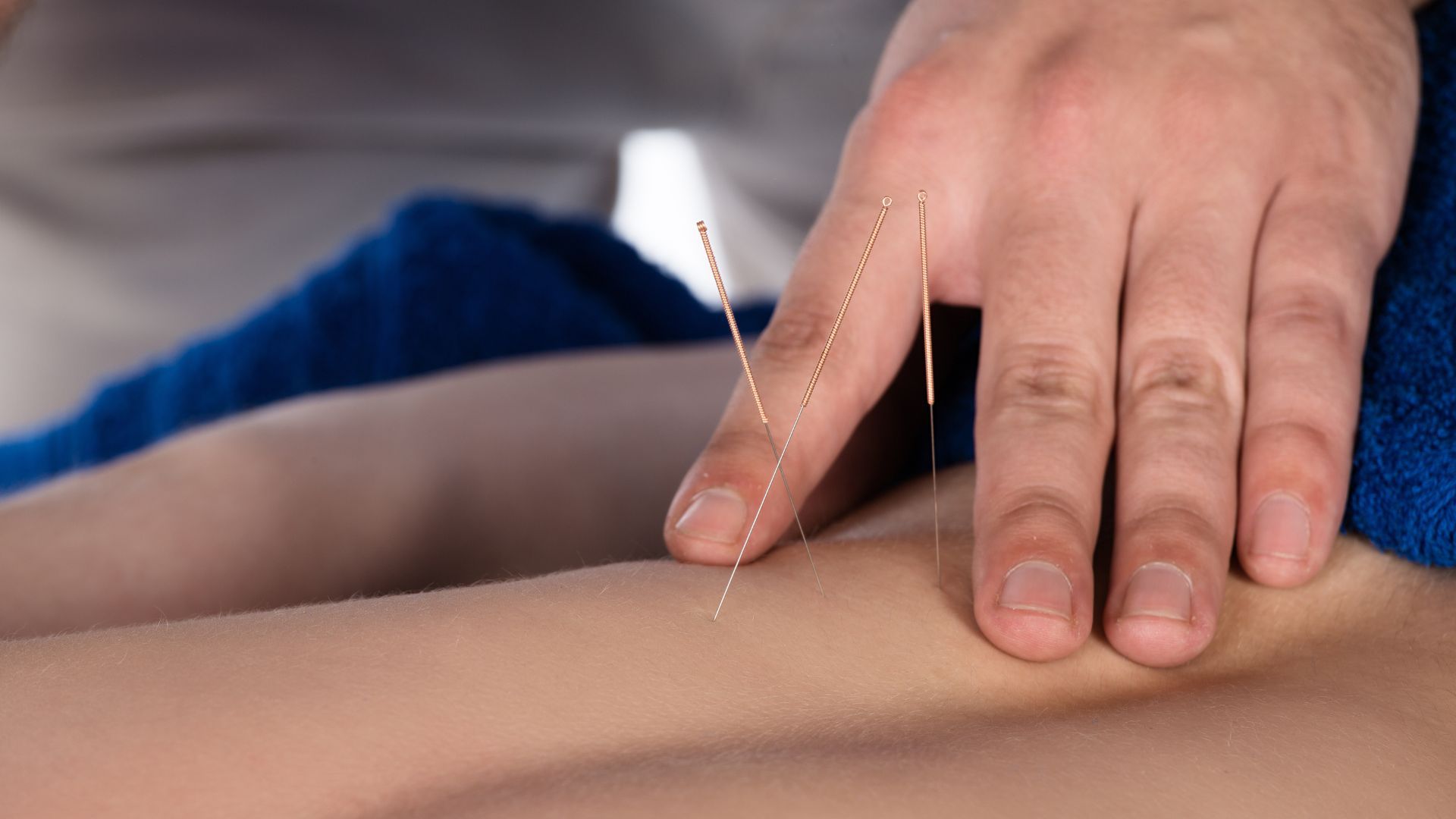
Dry Needling
Dry needling is becoming more and more popular for injury and muscle recovery due to immediate relief. See one of our certified dry needling experts today!

Free Injury Screening
ake advantage of our Free Injury Screening offer. One of our PT's will be able to tell you and show you how we can help you get back to full mobility.

Manual Therapy
ReLive's dedicated 1:1 therapy ensures you get manual therapies done thoroughly. Tired of being treated in groups? Call ReLive today!
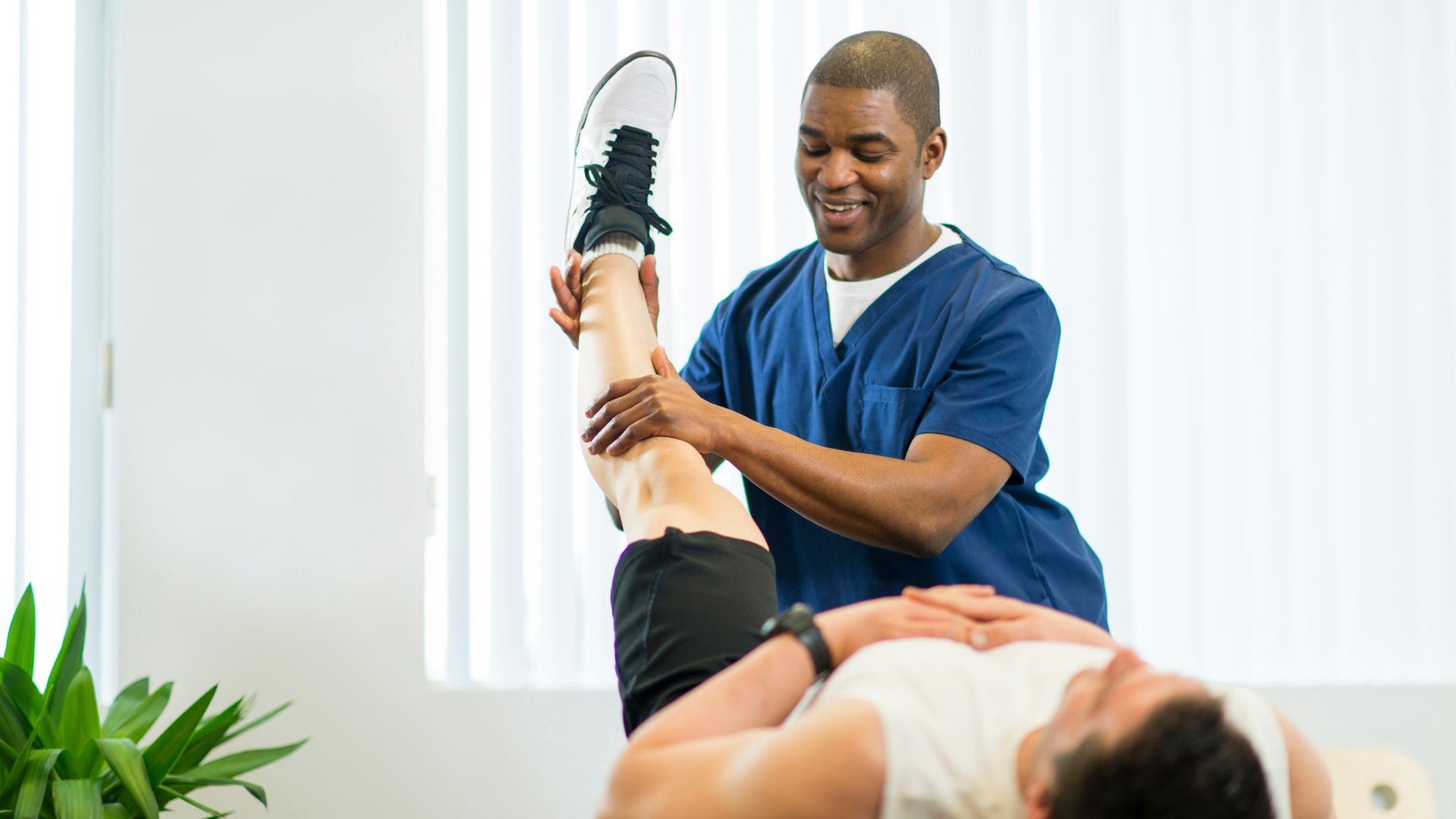
Post-Surgery Physical Therapy
PT after surgery ensures that you recovery fully and get the maximum range of motion. Get better faster with ReLive's post surgery program.

Sports Medicine
With our passionate sports medicine physical therapists, you'll be back in the game and top performance in no time. Call today to learn more.

Vestibular Therapy
Do you suffer from vertigo or dizziness? Did you know that physical therapy can help long & short term? Learn how we can help eliminate vertigo.

Women’s Health & Pelvic Floor Physical Therapy
We have specialty therapists fluent in women's health therapy, including pelvic floor and other treatment needs. Call ReLive today to learn more!

Work Injury Therapy
Physical therapy after a work injury is essential for preventing long-term damage. Our therapists will get you recovered and ready for work.

Request an appointment

Talk to one of our physical therapy experts

Get started on your journey to healing
Take the Next Step in Your Recovery
You do not have to navigate postoperative rehabilitation without guidance. Start with a conversation about your procedure, your surgeon’s recommendations, and the activities you want to return to.
Call (630) 339-3849 or submit an appointment request online. A Patient Service Advocate will follow up to discuss scheduling details and help coordinate care at an appropriate location.